Deep-Clean Washing Machine Cleaner for Odors & Residue
Regular price
$40.65
Regular price
$40.65
Sale price
Unit price/ per
SAVE
Sold out
SCARVAGE Washer Care
A Hidden Ecosystem Inside Modern Washers Is Releasing Odor-Causing Molecules Into Every Load
And a NASA-Inspired Enzyme Method Is Finally Dissolving the Source Instead of Simply Masking It
Posted By Mary Lee
Millions of people across America are making the same complaint:
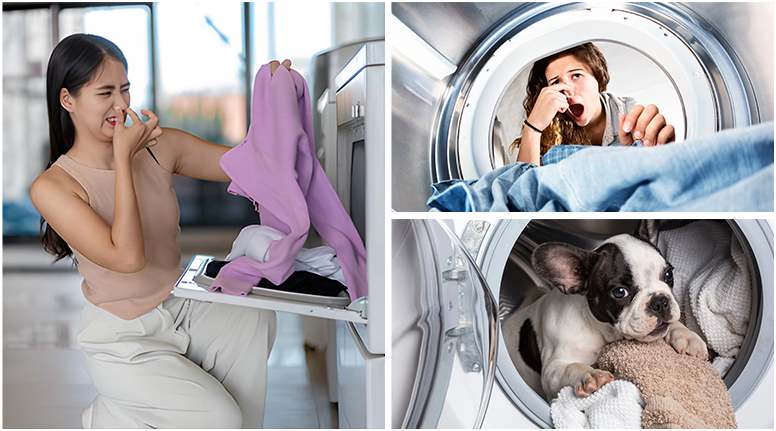
Their laundry is coming out of the washer with a sour scent.
Towels that should smell clean develop an odd stale odor.
Blankets seem fine at first, but carry a faint funk that lingers.
Even shirts that look freshly washed begin to smell musty halfway through the day.
For families who take pride in a clean home, it can be embarrassing and confusing. Laundry is supposed to smell fresh. Yet no matter how many times people rewash their clothes, the problem keeps returning.
The Smell May Be Coming From the Machine
For decades, people blamed hard water, humidity, or detergent. But researchers studying sanitation, microbiology, and closed water systems identified a different possibility: buildup can survive wash cycles inside parts of the machine that are difficult to see or reach.
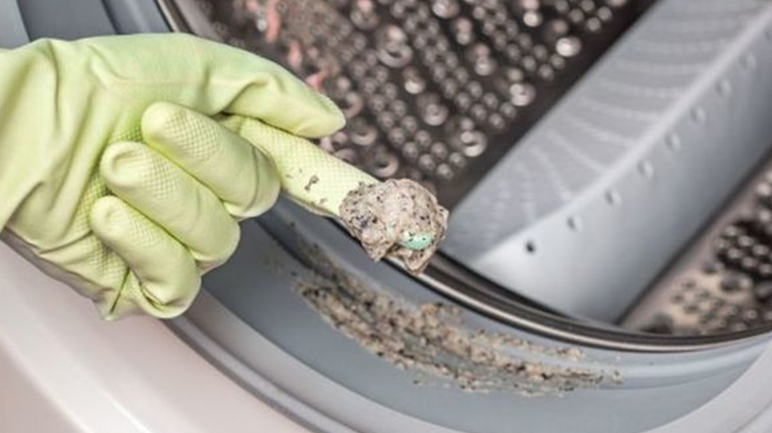
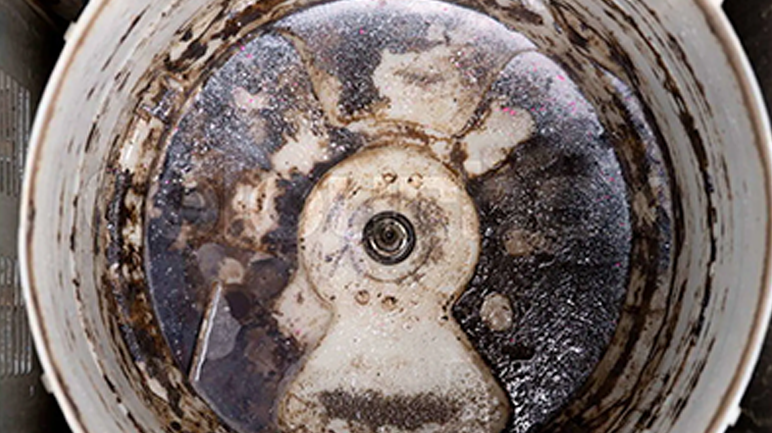
Detergent residue, oils, fibers, minerals, pet-related debris, and trapped moisture can collect behind the visible drum and around enclosed channels. These layers may release odor-causing compounds back into freshly washed laundry.
Helps target odor-causing buildup, grime, residue, and pet-related debris in common household washers.
The NASA-Inspired Clue
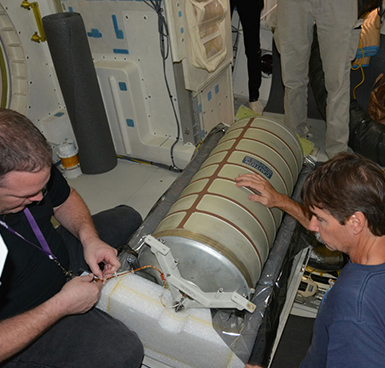
NASA engineers observed a similar pattern inside sealed water systems used during space missions. Warm water, constant moisture, recycled flow, and limited airflow allowed stubborn layers to cling to surfaces and threaten vital equipment.
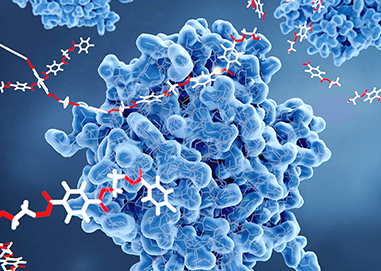
Traditional surface cleaning could not reach every enclosed section. Research into those systems helped inspire a targeted multi-enzyme approach designed to weaken protein layers, oily deposits, fibers, and mineral-bound residue from within.
The key idea is simple: break apart the structure instead of only masking the odor.
Why Modern Washers Hold Onto Buildup
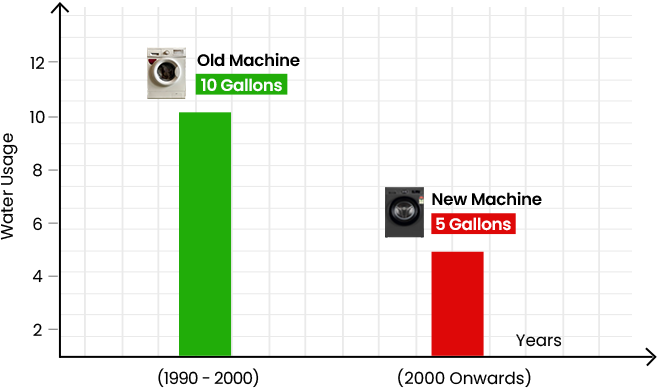
Modern high-efficiency washers use less water and tightly sealed doors. Moisture can remain after a cycle, while detergent residue, loose fibers, oils, minerals, and pet-related debris settle in areas where water flow is limited.
Every load can add another small layer. Over time, that closed, damp environment begins acting less like a self-cleaning appliance and more like a stable ecosystem.
Until that environment is broken down, the odor can keep returning—even after the clothes are washed again.
Why Common Fixes Miss the Source
Extra detergent, vinegar, baking soda, hot cycles, the self-clean setting, and hand-scrubbing the rubber seal may improve visible surfaces.
But the outer tub, narrow channels, enclosed pockets, and areas behind the drum can remain damp and coated with residue. The washer may look clean while hidden buildup remains.
Advanced Multi-Enzyme Technology
1 — Protein layers One enzyme begins softening protein-based buildup.
2 — Oily deposits Another enzyme helps break down oils and greasy residue.
3 — Microscopic fibers A third action targets the fibers that help hold the structure together.
4 — Oxygen lift Once the layers weaken, oxygen can reach deeper surfaces and help lift loosened material.
A Closer Look Inside the Washer
These visuals follow the reference article in order and show why recurring laundry odor can begin inside the machine, where ordinary wiping and water flow may not reach.
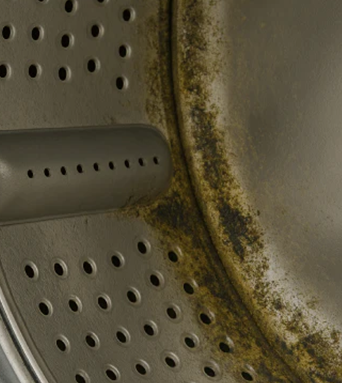
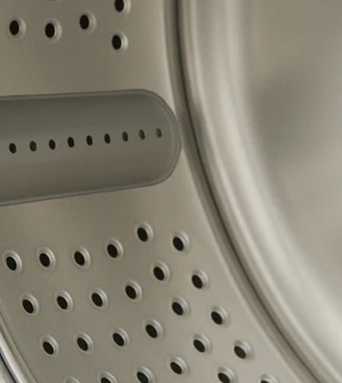
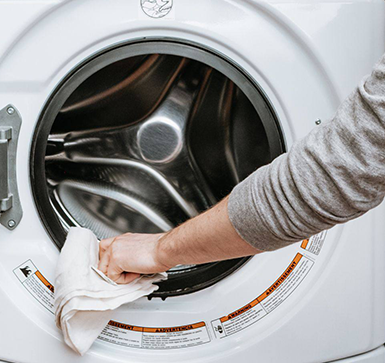
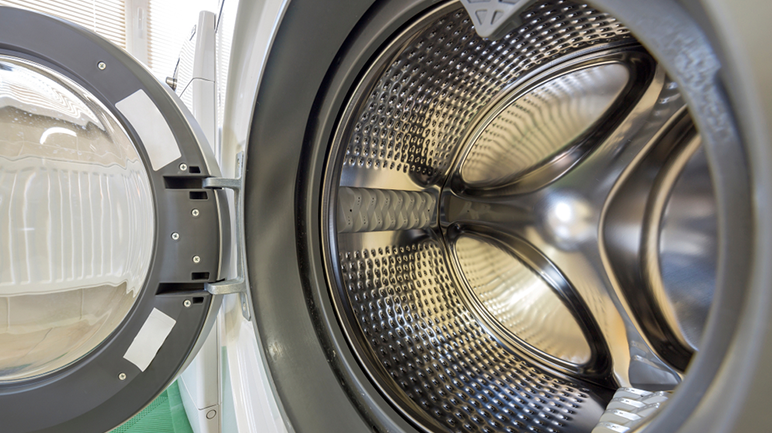
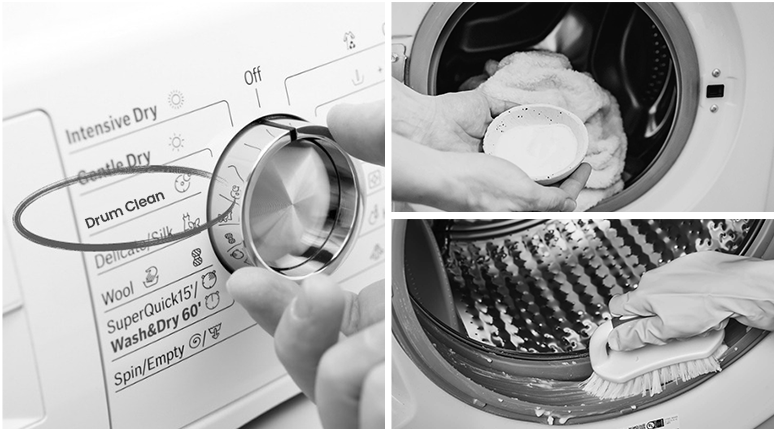
The reference concept compares stubborn buildup in a closed system with a visibly cleaner washer interior after a dedicated cleaning process.When towels, shirts, or pet bedding still smell stale after washing, the source may be inside the machine rather than in the fabric itself.The visible drum is only one part of the washer. Moisture and residue can also collect around enclosed components that are difficult to inspect.Research cited by the reference page examines microbial communities and cross-contamination inside household washing machines.A damp, nutrient-rich environment can allow microscopic communities to persist between wash cycles.Closed water systems helped researchers recognize how moisture and residue can support persistent buildup. This is an inspiration comparison, not a claim of NASA certification or endorsement.Sour laundry, pet-related odors, and a musty drum can all be signs that hidden washer residue needs attention.Recurring odor is better understood as a buildup problem inside the washer, not simply as a need for more fragrance or detergent.A self-clean setting circulates water, but a dedicated cleaner is intended to help loosen residue that water alone may leave behind.High-efficiency machines use less water, so detergent film, fibers, and moisture may have fewer opportunities to flush completely from hidden areas.The rubber seal and other low-flow areas can trap damp lint, detergent residue, hair, and grime.Hand-wiping helps visible surfaces, but it cannot reach the outer tub, hoses, and enclosed passages behind the drum.A washer can look clean from the front while residue remains in areas you cannot see.This example shows why the space behind the visible drum matters: hidden surfaces can hold far more buildup than the front reveals.In closed systems, recirculated water can repeatedly pass through the same channels while moisture lingers in pockets that never fully dry.Enzymes help weaken different parts of a residue layer so the cleaning cycle can carry loosened material away.The goal is to circulate the dissolved formula through both the visible drum and the harder-to-reach surfaces around it.Place one tablet directly in the empty drum so it can dissolve and travel through the washer during the cleaning cycle.
1. Oxygen-releasing action helps lift material after the buildup structure is weakened.2. Surfactants help carry the formula into narrow passages ordinary flow may miss.3. Chelating agents bind to minerals that can help residue cling to washer surfaces.4. Sodium silicate helps protect metal surfaces while the cleaning process works.
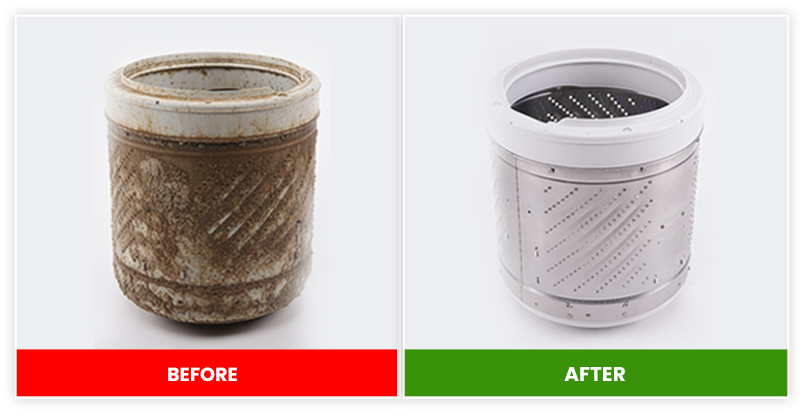
One compact tablet combines the cleaning actions in a format designed for a dedicated empty-washer cycle.The closed-system comparison explains the inspiration behind the cleaning method; SCARVAGE is not presented as a NASA-certified or NASA-endorsed product.A before-and-after example from the reference page shows the type of residue a dedicated washer-cleaning cycle is intended to loosen and flush away.
Meet the formula
SCARVAGE™ Washing Machine Cleaner Pro
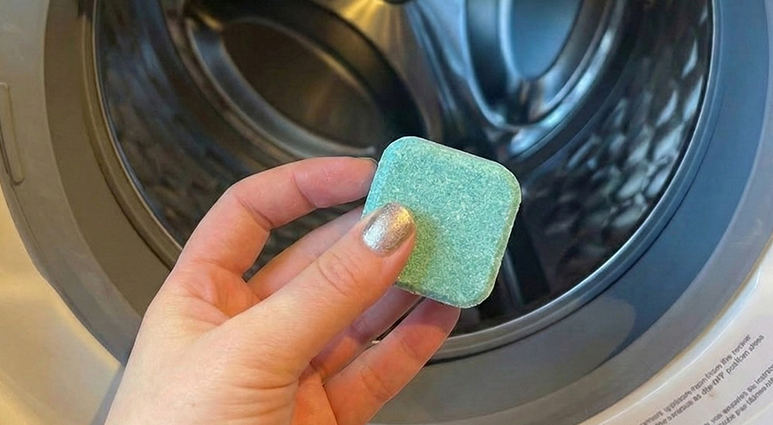
SCARVAGE™ turns the multi-step cleaning strategy into a convenient tablet for household washers. Place it directly into an empty drum and run a hot or dedicated washer-cleaning cycle.
The formula is designed to reach the places ordinary water flow may miss and help loosen the residue where washer odor begins.
24 tablets in every box. Use one tablet for each empty-machine cleaning cycle.
How the Tablet Works
1. Enzymes soften buildup They begin breaking down proteins, oils, fibers, and residue behind the visible drum.
2. Oxygen lifts loosened material Oxygen-releasing ingredients help lift residue from hidden washer surfaces.
3. Surfactants reach narrow areas The cleaning formula travels into enclosed spaces ordinary water flow may miss.
4. Minerals are managed Chelating agents bind to minerals, while sodium silicate helps protect metal surfaces during the cycle.
Made With Pet Homes in Mind
Pet blankets, bedding, and clothing can leave behind hair, oils, and microscopic fibers. That mixture can collect inside the washer and contribute to lingering odors.
The multi-enzyme method is designed to work on the protein, oil, and fiber-based buildup common in pet-owning households.
Targets More Than Surface Dirt
The four comparison sets below are retained from the reference page so each visual keeps its original purpose and explanation.
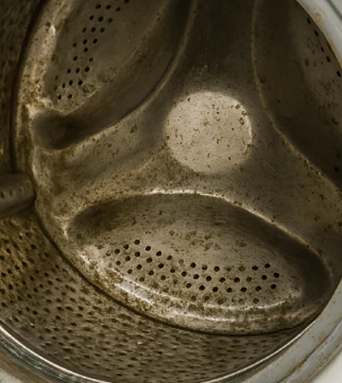
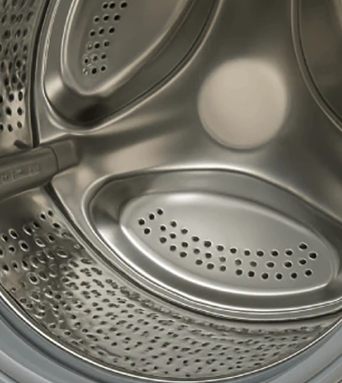
Mold & Mildew Buildup
BeforeAfter
Helps loosen residue that can contribute to musty washer odors.
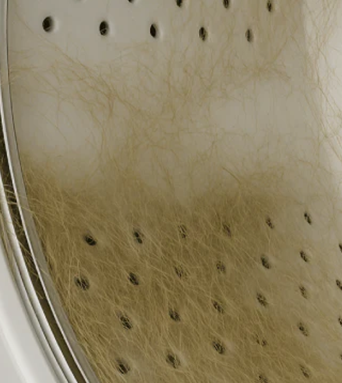
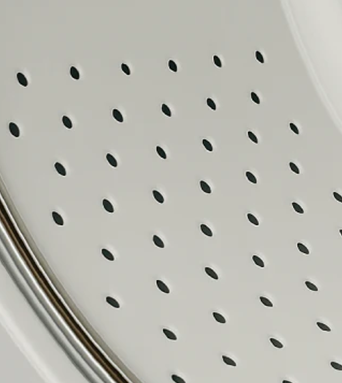
Pet Hair & Pet-Related Residue
BeforeAfter
Helps break apart trapped oils, fine fibers, and pet-related grime.
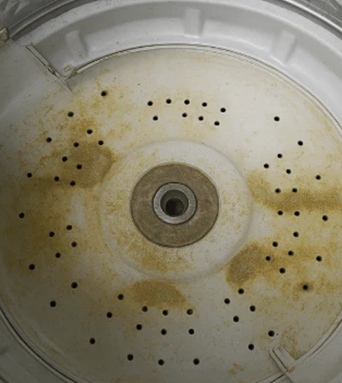
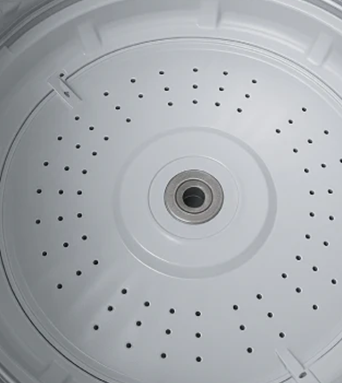
Dirt & Grime
BeforeAfter
Supports cleaning beyond the visible drum, where dirt can settle.
Detergent & Softener Film
BeforeAfter
Helps remove film left by detergent and fabric softener.
Works With Common Washer Types
Designed for front-load, top-load, high-efficiency, and compact washing machines. Always follow the cleaning instructions supplied by your appliance manufacturer.
How to Use SCARVAGE™
Step 1: Make sure the washing machine is completely empty.
Step 2: Place one tablet directly into the drum—not in the detergent dispenser.
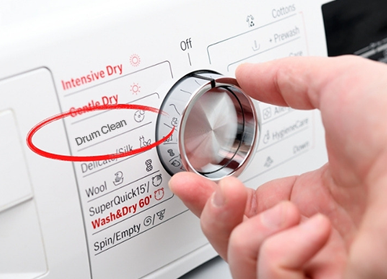
Step 3: Run a hot normal cycle or the machine’s dedicated “Clean Washer” cycle.
Step 4: When the cycle is complete, wipe away any loosened residue.
Repeat whenever your washer needs a dedicated cleaning cycle or musty odors become noticeable.
Empty the washer, place one tablet directly in the drum, run a hot or Clean Washer cycle, then wipe away loosened residue.
SCARVAGE™ Washing Machine Cleaner Pro
Break down the hidden buildup. Bring fresh laundry back.
Customer Reviews
4.9 / 5
★★★★★
617 reviews
Customer summaries and media are adapted from the linked original product review section.
Chuck T.Verified Buyer · 3 weeks ago
★★★★★
24-Tablet Box — One tablet per empty-machine cleaning cycle
Washing Machine Cleaner Works
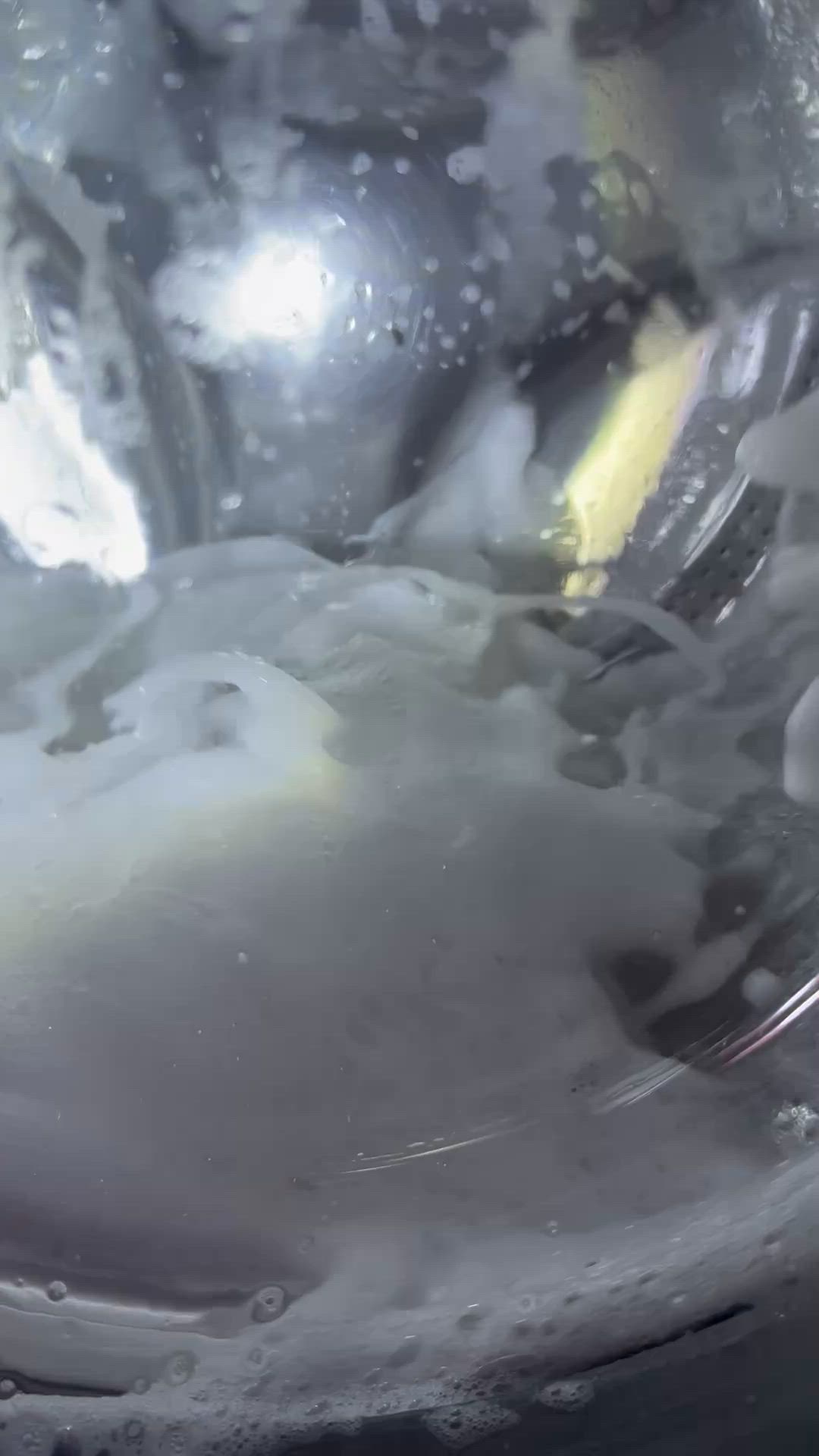
He says the tablets worked well and made the washer feel new again.
Allison O.Verified Buyer · 5 months ago
★★★★★
24-Tablet Box — One tablet per empty-machine cleaning cycle
BETTER Than Expected
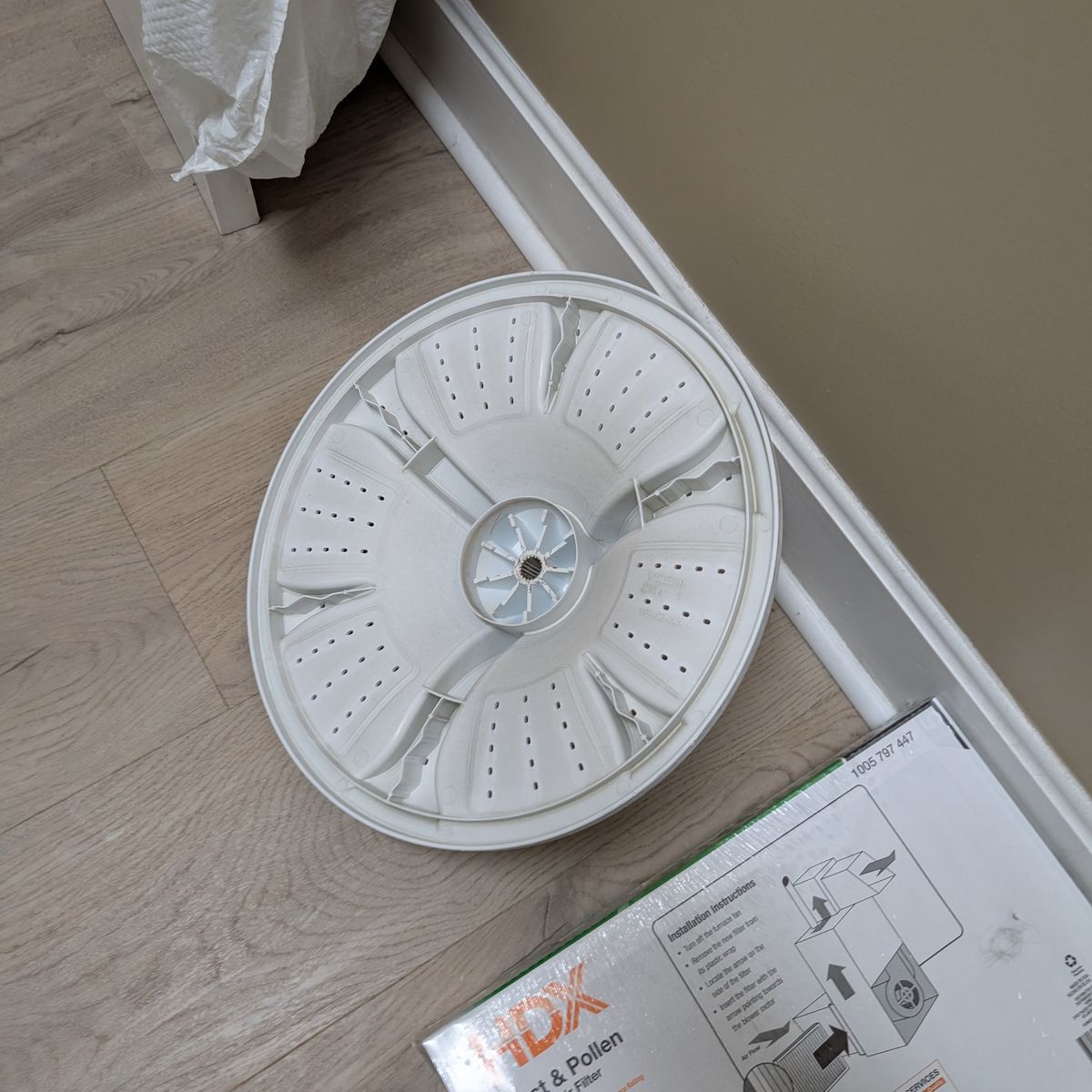
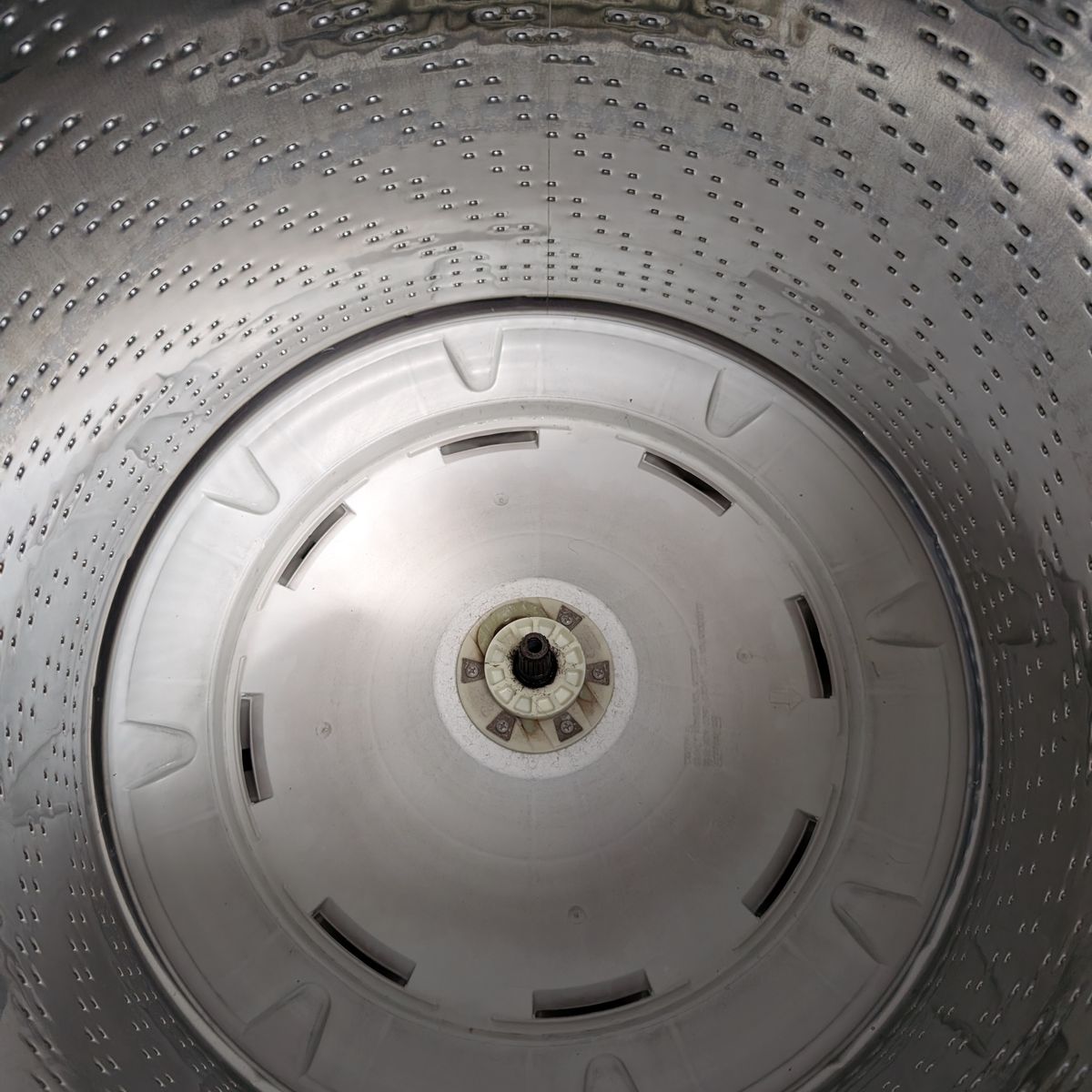
She used the cleaner, then removed the agitator for a deep clean and found no buildup left.
Dori R.Verified Buyer · 1 year ago
★★★★★
24-Tablet Box — One tablet per empty-machine cleaning cycle
Washing Machine Cleaner
She has big dogs, and says the cleaner works wonderfully to remove washer odor after washing their bedding.
Load more reviews
Henry L.Verified Buyer · 7 months ago
★★★★★
24-Tablet Box — One tablet per empty-machine cleaning cycle
Washing Machine Cleaner
With two German Shepherds, he noticed a huge difference after one cleaning and now uses it every two weeks.